Maureen's suppression of Queenie's message
The Unlikely Pilgrimage of Harold FryMaureen's suppression of Queenie's message is the novel's central withheld truth, a secret buried for twenty years that quietly shapes the entire arc of Harold Fry's pilgrimage. The act itself is simple: Queenie Hennessy, pale and carrying flowers, came to 13 Fossebridge Road asking for Harold, delivered a message about the brewery, and left. Maureen put the flowers in the bin and never gave Harold the message. But the consequences ripple outward, reframing Harold's walk, Maureen's grief, and the very possibility of reconciliation. This is the confession that Maureen makes only at the story's end, and it transforms the reader's understanding of everything that came before.
The Visit and the Hidden Message
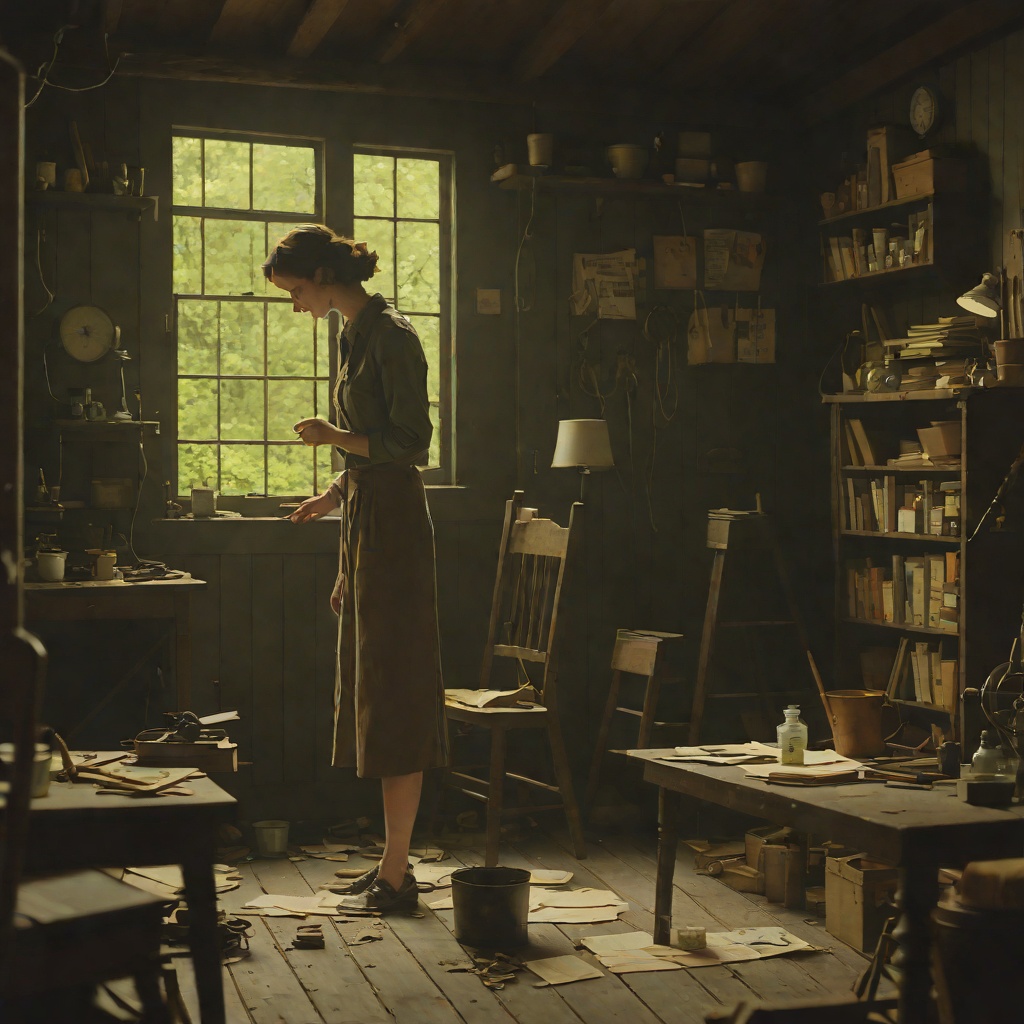
Twenty years ago, after David's suicide, Queenie Hennessy arrived at 13 Fossebridge Road asking for Harold. Maureen remembered her as looking very pale, carrying flowers, and possessing something extremely ordinary yet very dignified. Queenie explained that there was something about the brewery she needed Harold to know, and after telling Maureen, she gave her the flowers and went away. Maureen realized she was likely the last person Queenie saw before she left. The message concerned Harold's destruction of Napier's office: Queenie had seen Harold sitting outside the brewery in his car the previous evening, thought he might be crying, and did not wish to intrude. When the news went round the following day, she put two and two together. In her opinion, Harold was on a course of self-destruction, deliberately challenging Napier to do his worst by smashing the Murano glass clowns to smithereens. So Queenie took the blame, telling Napier she had accidentally knocked the clowns while dusting. Being a plain woman, she said, made it easier; Napier was thrown off balance. She asked Maureen to tell Harold not to worry—he had been kind to her, and it was the least she could do.
Maureen's Motives: Grief, Jealousy, and Anger
Maureen's reasons for suppressing the message were rooted in the devastation of David's death. She was angry—David was dead—and she was jealous. Queenie had been kind to Harold when Maureen could not be. If she gave Harold the message, she was afraid he would find comfort. And she could not do that. She did not want him to find comfort when there was none for her. This confession, made quietly and slowly to the garage girl, came from a secret place where Maureen had been hiding the words for all this time. She acknowledged that it had been a difficult time back then, but insisted this could not excuse what she had done, or not done, and she wished it had been otherwise. The shame was racking, distinct from the truth about David, which she could face with more equanimity.
The Consequences of the Suppression
The suppression had profound consequences. Queenie, having taken the blame for Harold's vandalism, was fired on the spot and disappeared, warned to get out of the South West. Harold, unaware of Queenie's sacrifice, let her go and let her take the blame, though he gave up drinking. The message, never delivered, meant Harold never learned the truth of Queenie's kindness or the reason for her disappearance. The flowers, thrown in the bin, became a symbol of Maureen's refusal to let Harold find comfort. The act also deepened the estrangement between Harold and Maureen, who had already stopped talking and moved into separate beds. Maureen's grief manifested in keeping David's room exactly as it was the day he died, talking to him as if he were still present, and putting up net curtains to keep the neighbours from prying.
The Confession and Its Aftermath
Maureen's confession to the garage girl came only after Harold had completed his pilgrimage and reached St Bernadine's Hospice. The girl's gentle voice was like a guiding hand in the dark, drawing out the painful truth. Maureen told the story of Queenie's visit, the message about the brewery, and her own decision to throw the flowers in the bin. She admitted her jealousy and anger, and her fear that Harold would find comfort in Queenie's kindness. The confession was a form of unburdening, a release of the shame she had carried for two decades. It also served to explain the full scope of Queenie's sacrifice—a sacrifice that Harold had never known about, and that Maureen had actively hidden from him.
Thematic Significance: The Weight of Silence
Maureen's suppression of Queenie's message embodies the novel's exploration of silence, grief, and the failure to communicate. Harold's pilgrimage is driven by a promise to walk and keep Queenie alive, but it is also a journey toward confronting the past—a past that includes the hidden message. Maureen's act of suppression is a form of violence, a refusal to let Harold find comfort, born of her own unbearable grief. The confession, when it finally comes, is a step toward healing, a recognition of the harm she caused. It also reframes Queenie's sacrifice: her kindness to Harold, her willingness to take the blame, and her quiet dignity in the face of dismissal. The flowers, thrown in the bin, become a haunting image of what was discarded—not just a message, but a chance at understanding and connection. In the end, Maureen's confession is part of the larger reconciliation between Harold and Maureen, a recognition that the past cannot be undone but can be acknowledged, and that even the deepest silences can be broken.